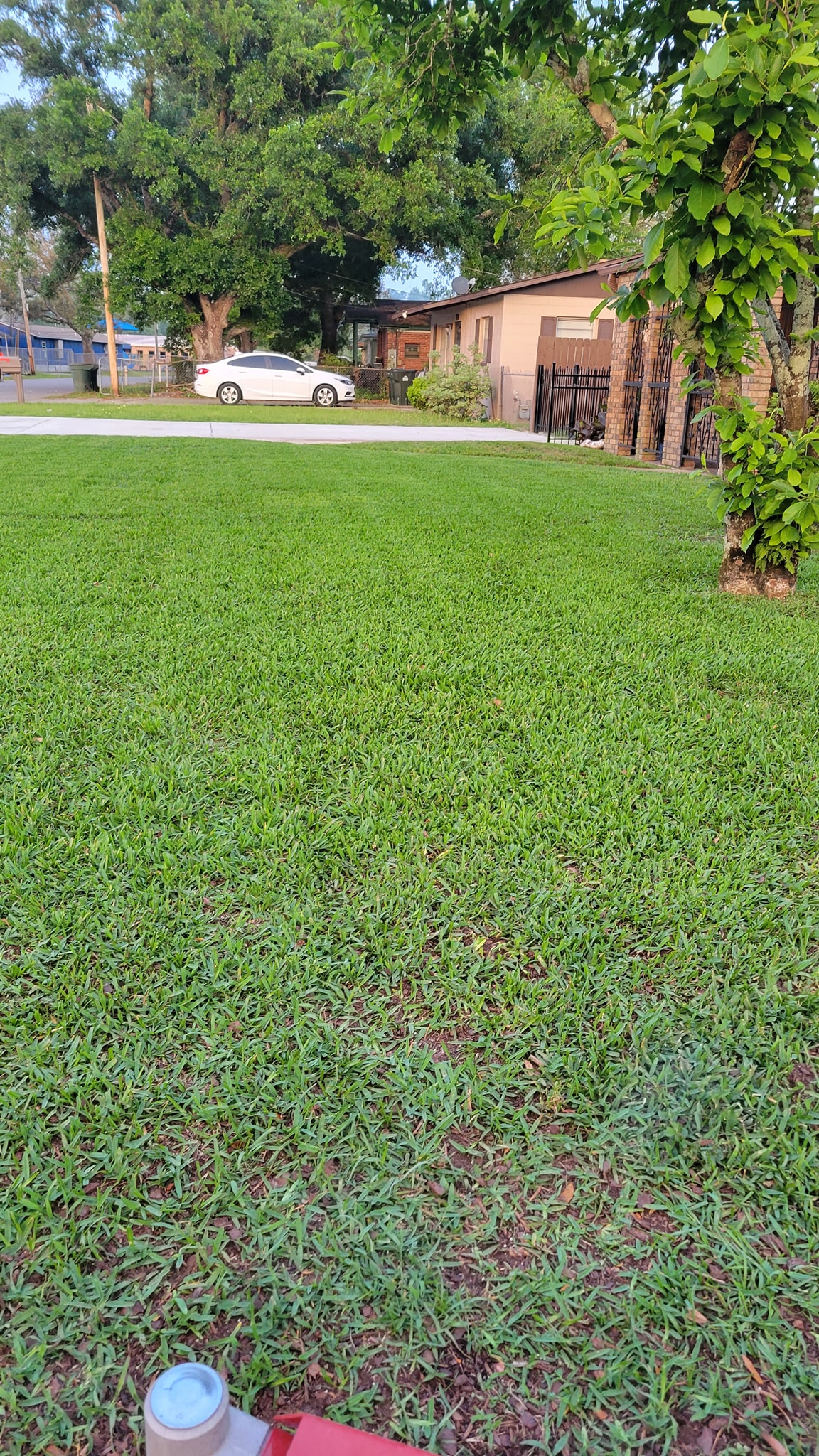
Transform Your Lawn with Sustainable Practices: A Guide from Baker Property Management Solutions LLC Dec 05, 2025
To begin your journey towards a more sustainable lawn, soil health should be your primary focus. Healthy soil is the foundation of any thriving landscape. Test your soil to determine its pH level, nutrient content, and texture. These tests help you identify what your lawn lacks and need adjustments, such as the addition of organic compost or natural soil amendments. Healthy soil supports robust grass growth, which reduces the need for chemical interventions.
Choosing the right grass type is also critical to the sustainability of your lawn. Opt for drought-resistant and native grass species that are well-suited to your local climate and soil. Native grasses require less water and are more resistant to local pests and diseases, reducing your reliance on irrigation and pesticides. Additionally, mix several species to create a resilient lawn that thrives in a variety of weather conditions.
One of the most impactful steps towards sustainable lawn care is efficient water use. Overwatering is a common mistake that not only wastes water but also leads to shallow roots and increased susceptibility to pests. Water deeply but infrequently to encourage deep root growth. Early morning watering minimizes evaporation and increases water retention. Consider installing a rainwater collection system or a smart irrigation controller to optimize water usage further.
Regular mowing practices can also contribute to lawn sustainability. Keep your mower blades sharp and set them to the highest compatible setting for your grass type. Taller grass blades shade the soil, preventing weed growth and retaining moisture. Instead of bagging clippings, use a mulching mower to leave finely chopped clippings on the lawn, returning nutrients to the soil and encouraging healthy growth.
In controlling weeds and pests, prioritize natural and organic solutions. Introduce beneficial insects such as ladybugs and predatory beetles to combat aphids and other pests. Utilize organic fertilizers and natural weed suppressants to maintain the health of your lawn without leaching hazardous chemicals into the soil and waterways. Hand-pulling weeds can also be an effective and environmentally-friendly method of weed control.
Finally, integrating a diversity of plants, shrubs, and trees into your lawn landscape creates a habitat for wildlife, supports pollinators like bees and butterflies, and adds variety and color to your space. By choosing native plants, you can provide the necessary resources for these beneficial creatures, further enhancing the ecological balance in your lawn.
Transforming your lawn with sustainable practices not only benefits the environment but also provides long-term savings in maintenance costs and water usage, while giving you the peace of mind that comes from contributing positively to your local ecosystem. At Baker Property Management Solutions LLC, we are committed to fostering environmentally healthy landscapes that inspire and delight. Embrace these sustainable strategies today to nurture both your lawn and the planet for future generations.